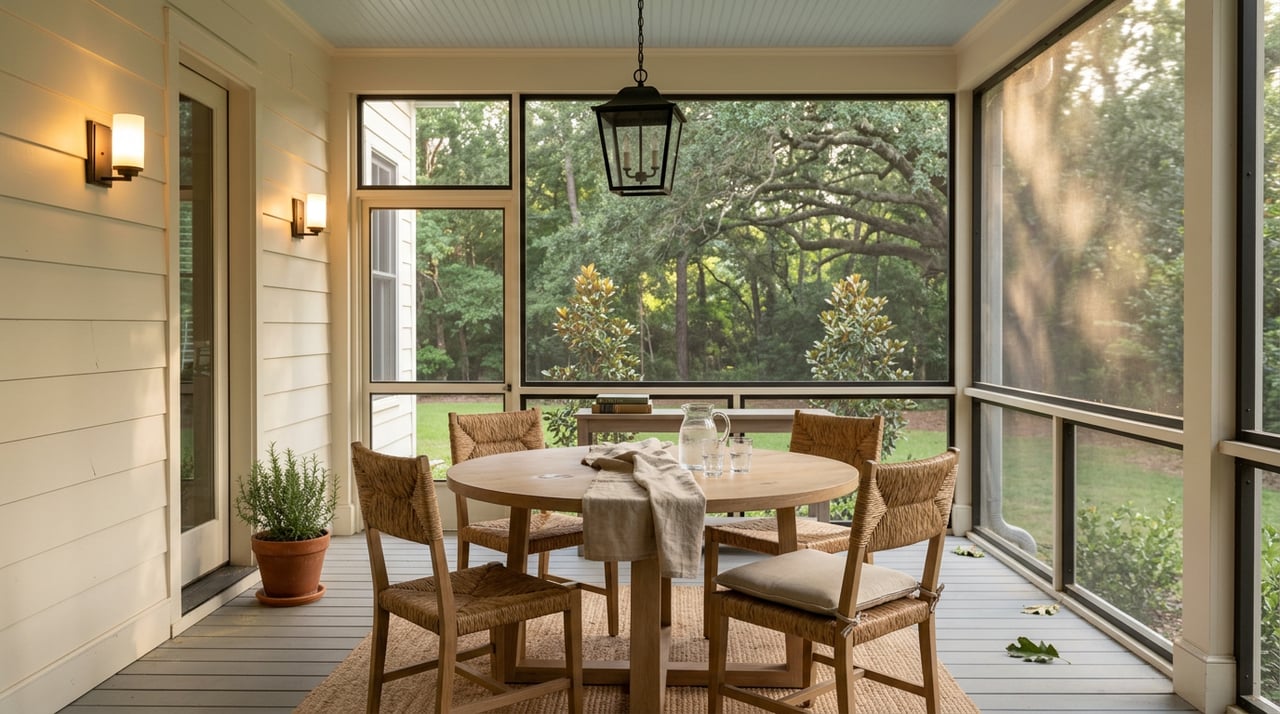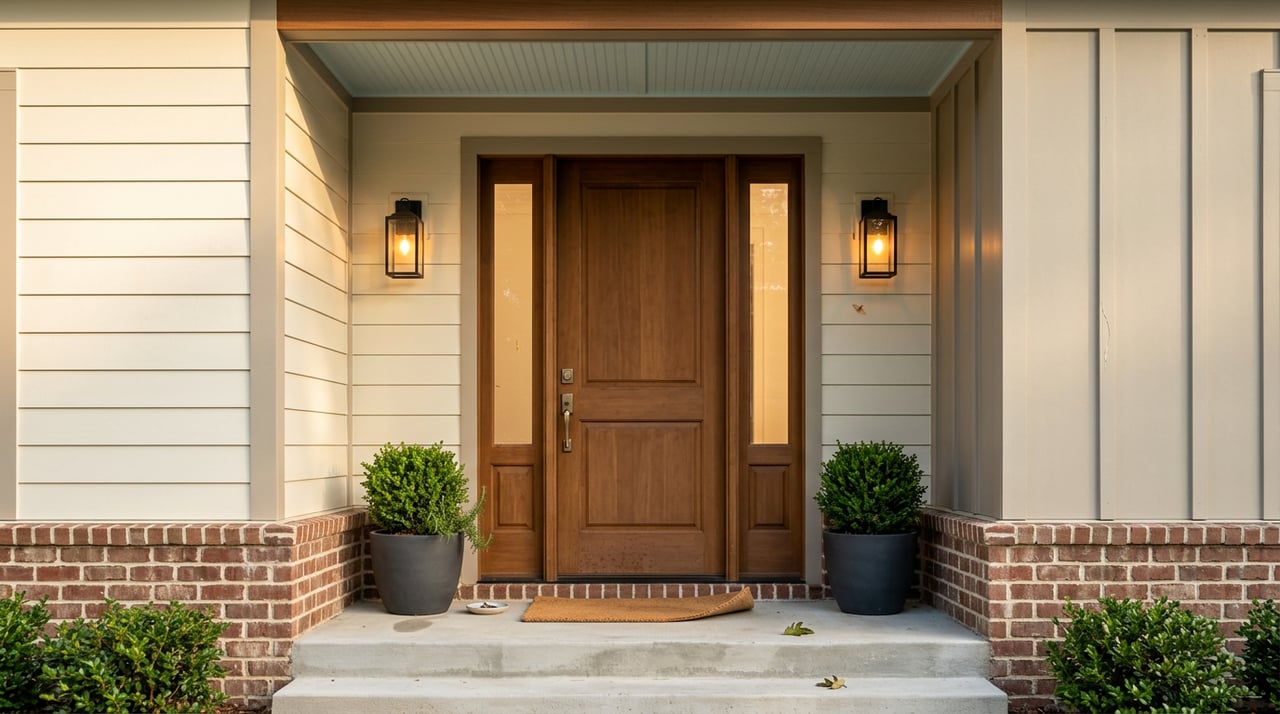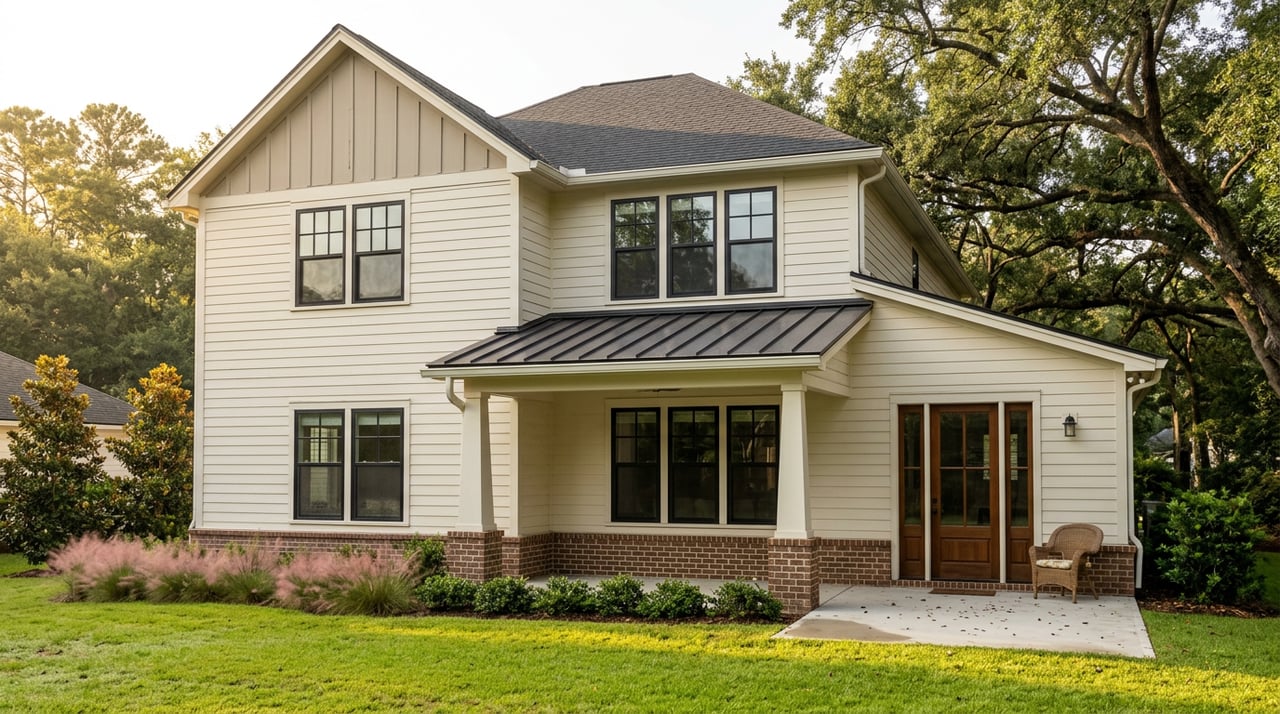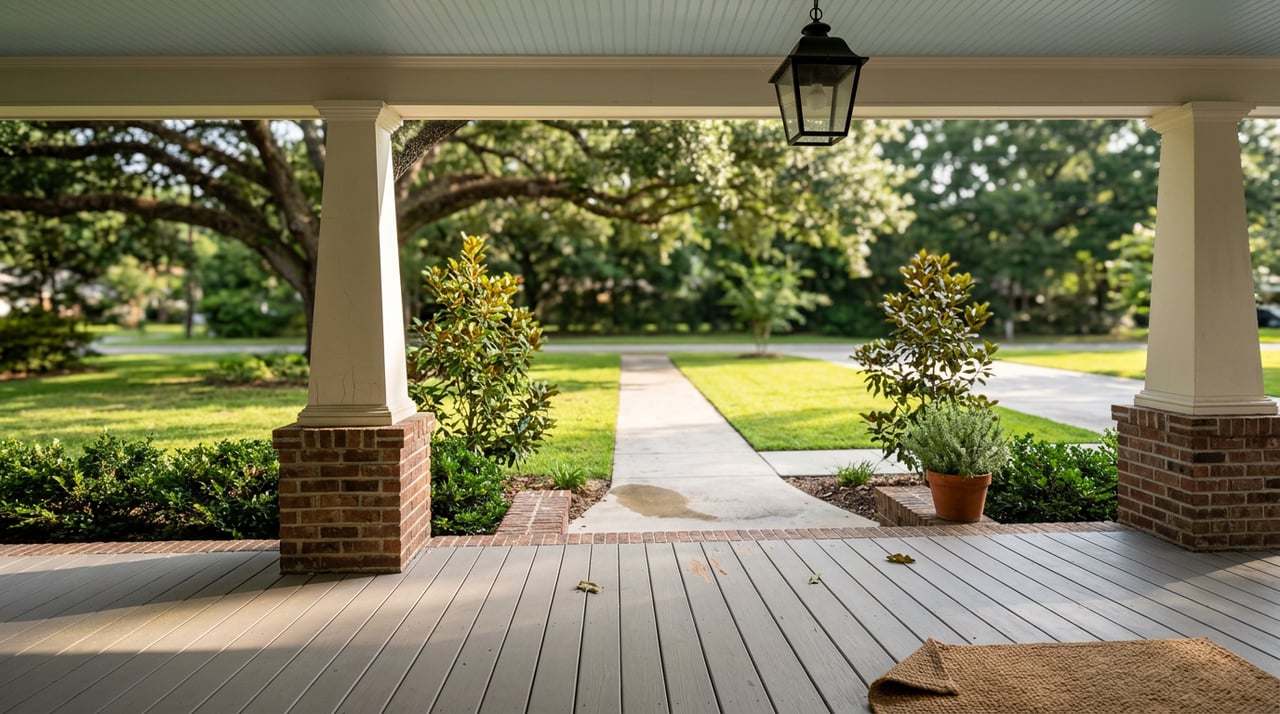
The resale listing down the street has been sitting for four months. The builder two blocks over is quietly running a rate buydown that wasn't on the flyer in April. Both facts are the same story told from opposite sides, and if you're shopping new construction in Zachary this summer, that story is where your leverage lives.
Most buyers looking at Zachary right now are reading the same headline: prices are soft. In the three months ending April 2026, Zachary's median sale price came in around $265,000, down 6.1% year over year. June 2026 list-side data puts the median asking price closer to $289,000 at about $153 per square foot, off roughly 4% from the same month last year. Those numbers are accurate, and they are also the least useful thing you can know before sitting down with a builder.
The number that actually changes the negotiation
The price line is not the leverage. Days on market is the leverage.
A year ago, a Zachary home sold in about 67 days. Through April 2026, that figure stretched to 97. On the active-listing side, Movoto's June 2026 snapshot shows a median 141 days on market for homes currently offered for sale. Those two numbers describe the same phenomenon from different angles: inventory is aging, and it's aging past the window where most sellers still feel patient.
For a resale seller, that's uncomfortable. For a production builder carrying finished spec inventory, it's expensive. Every month a completed home sits is a month of taxes, insurance, interest on the construction line, and sales overhead. Builders track their standing inventory the way a restaurant tracks a walk-in cooler. When homes across the broader Zachary market are taking three to five months to move, the builder's internal clock speeds up, not down.
That's the mechanism worth understanding before you walk into a sales office. The published base price is almost never where the concession lives. In a market with 141-day median days on market, the concession lives in three places most buyers don't ask about hard enough:
- Forward-committed rate buydowns. Many national builders in south Louisiana are using preferred-lender rate structures to move standing inventory. The published rate on the flyer is usually the floor, not the ceiling, of what's available if you're willing to close inside the builder's target month.
- Design-center and upgrade credits. On a to-be-built home, an unallocated upgrade credit is often easier for a builder to give than a price cut, because it doesn't reset the comp for the rest of the phase. Ask what the credit looks like in dollars, not in "packages."
- Lot premiums and closing costs. Lot premiums are the softest line item on the sheet. In a slower absorption phase, they are frequently negotiable or waivable, especially on lots the builder needs to clear before opening a new section.
None of those levers appear in the price the portal shows you. All of them appear in a settlement statement.
Where Zachary is quietly firming
Here is the number the headline story misses. While the overall Zachary median softened, the Northwest Baton Rouge slice of the Zachary market moved the other way. Through May 2026, that submarket posted a median sale price of about $250,000, up 2.1% year over year, with 228 homes sold versus 182 in the same period a year prior. Volume up, price up, in a city where the broader trend is the opposite.
That divergence matters because it tells you where to spend the leverage you just negotiated. A softer overall market gives you room to press a builder on incentives. A firming submarket tells you which pockets are likely to hold value once you close. Buying strategically means using the first fact to get better terms in the second place.
Statewide context reinforces the read. Louisiana's overall Zillow Home Value Index sits around $216,254, up 1.3% year over year. Zachary's softness is not a Louisiana story. It's a local absorption story, driven by inventory that came online faster than the June 2026 buyer pool could clear. That distinction matters for long-term value. Statewide fundamentals are flat to positive, and Zachary's own most active corridors are moving with them. The rest of the city is the discount aisle right now, and the discount is real for buyers who negotiate for it.
Reading a spec home versus a to-be-built in this market
The two products behave differently when the market slows, and buyers who don't separate them tend to leave money on the table on one side and take on avoidable risk on the other.
A finished spec home is the builder's most expensive problem. It shows up on the balance sheet daily. If you're comfortable with the finishes already chosen, spec inventory that has been standing for 60 or 90 days is where the most aggressive concessions live. Ask specifically how long the home has been complete, not how long it has been listed. Those are different dates, and the older one is the one that moves the deal.
A to-be-built home is a different negotiation. The builder isn't carrying inventory yet, so rate buydowns and closing credits are usually smaller. What you can move instead is structure: the upgrade credit, the lot selection, warranty inclusions, and the timeline itself. In a slower phase, superintendents have more bandwidth per home, which often translates to cleaner walk-throughs and shorter punch lists. That is a quality-of-build advantage that doesn't show up on a spreadsheet but shows up every day you live in the house.
The thesis in one line: Zachary's slower headline market is not a warning sign for new-construction buyers. It's a window. The buyers who understand which submarket is firming, and which builder concessions are actually on the table, are getting materially better deals in the summer of 2026 than the price sheet suggests.
A short list of questions worth asking before you sign
These are the questions that separate a buyer who read the market from a buyer who read a listing.
- How long has this specific home been complete, and what is the builder's target close month for standing inventory in this section?
- What is the full incentive stack today, expressed in dollars, if I use the preferred lender and close inside that window?
- Is the lot premium negotiable, and are there comparable lots in the same section without a premium attached?
- What is included in the structural and mechanical warranty, and who administers it after year one?
- What is the current build timeline for a to-be-built in this phase, and what happens contractually if the timeline slips past a defined date?
None of those questions require adversarial energy. They require specificity. Builders respond to buyers who ask precise questions the same way any professional does: with better answers and, often, better terms.
FAQ
Is now a bad time to buy new construction in Zachary because prices are down?
Softer prices are not the same as declining long-term value. Statewide Louisiana values were up 1.3% year over year as of mid-2026, and the Northwest Baton Rouge portion of Zachary was up 2.1% over the three months ending May 2026. The current window favors buyers who negotiate hard on incentives while choosing locations that are already showing firming demand.
Should I wait for prices to fall further before I sign?
The relevant question is not where the median goes next quarter. It is what total value looks like when you combine price, rate, incentives, lot, and warranty. In a market with 141-day median days on market, builder concessions are unusually generous right now. A 1% rate buydown across a 30-year loan is often worth more than a further 3% price drop that may or may not arrive.
Does a longer days-on-market number mean something is wrong with Zachary?
Not on the fundamentals. It reflects a temporary imbalance between finished inventory and June 2026 buyer volume. Zachary sits inside a metro where statewide values are still rising modestly. Aging inventory is a negotiating condition, not a structural problem, and it is the specific condition that gives new-construction buyers leverage they will not have twelve months from now.
If you're planning a new-construction purchase in Zachary this year
The builder rep across the table works for the builder. That's their job and they do it well. On the other side of that table, you deserve someone whose only job is reading the incentive stack, the lot map, and the contract for you. That's the work Build With Alanna does every week in this market, and it's the work that turns a soft headline into a better home at better terms. When you're ready to walk a model or open a contract, let's connect.